

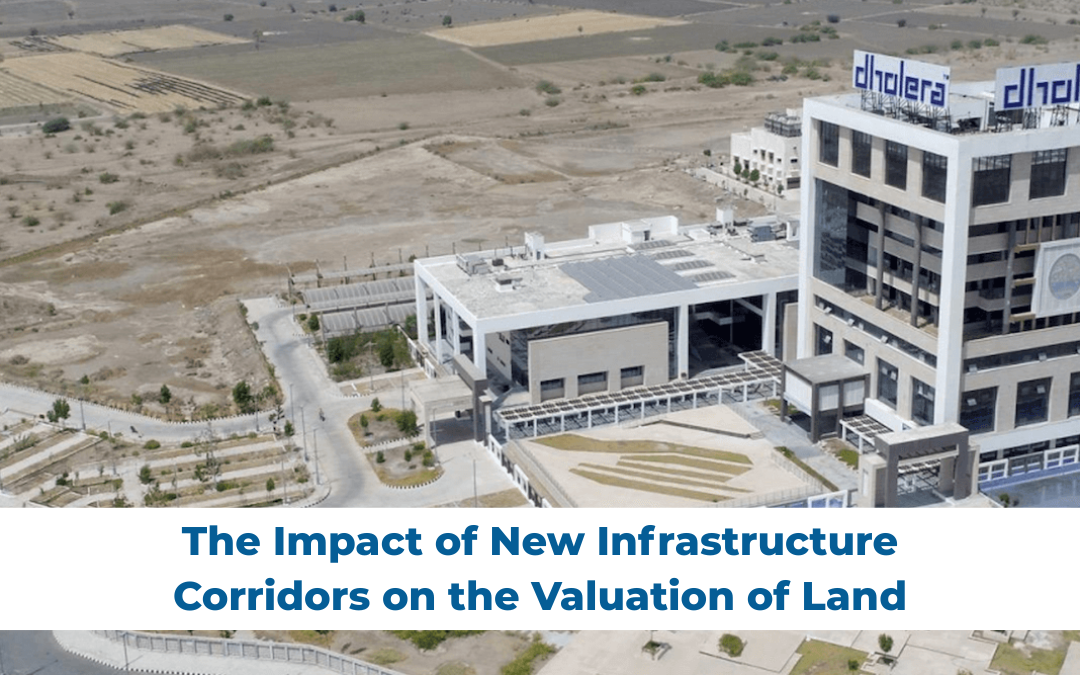
In an era where economic growth and urban expansion are accelerating rapidly, the creation and enhancement of infrastructure corridors play a transformative role in shaping real estate dynamics. From highways and expressways to high-speed rail lines and logistics parks, new infrastructure projects dramatically alter accessibility and connectivity. One of the most significant outcomes of such development is the shift in the Valuation of Land in affected areas.
Understanding how infrastructure influences land value is essential for homeowners, investors, developers, and policymakers alike. This blog explores the various ways that new infrastructure corridors impact land valuation, the underlying economic dynamics, and the long-term implications for communities.
What Are Infrastructure Corridors?
Infrastructure corridors refer to major routes or zones dedicated to transportation, utilities, and logistics. These include:
- Highways and expressways
- Rail networks
- Metro and public transit lines
- Industrial or logistics corridors
- Energy pipelines and utility routes
These corridors are designed to improve movement of goods and people, reduce travel time, and enhance regional connectivity. By doing so, they unlock economic potential in their vicinity — and this is where their impact on land valuation becomes evident.
How New Infrastructure Corridors Influence Land Value
1. Enhanced Accessibility and Connectivity
The most direct effect of a new infrastructure corridor is improved accessibility. Regions that were once remote or difficult to reach become connected to major urban centers or economic hubs. Enhanced access often leads to:
- Better commuter convenience
- Increased business operations
- Attraction of commercial investments
As accessibility increases, demand for land rises — especially in the direct and surrounding areas of the corridor. This directly influences Valuation of Land, driving prices upward as the plot’s utility and demand grow.
For example, a stretch of land near a planned expressway exit becomes more desirable for logistics companies or residential developers, boosting its market value significantly.
2. Boost in Economic Activities
New infrastructure corridors often act as catalysts for local and regional economic growth. Establishments such as retail centers, warehouses, business parks, and residential complexes are attracted to areas with improved logistics and connectivity.
This economic activity contributes to:
- Job creation
- Growth in ancillary services (hotels, retail, food outlets)
- Expansion in real estate development
As business activity rises, so does investor interest in land — which again elevates the Valuation of Land through a combination of higher demand and improved economic prospects.
3. Change in Land Use Patterns
Infrastructure development frequently triggers changes in land use. Agricultural or unused rural land along a new corridor may be rezoned for industrial, commercial, or residential purposes. This shift is powerful in influencing land value because:
- Commercial or industrial land carries a significantly higher value than agricultural land.
- Rezoning signals potential future growth and development opportunities.
These can result in a step-change increase in the Valuation of Land and facilitate profitable sale or development opportunities for landowners.
4. Reduction in Transportation Costs
A strategic corridor often reduces the cost and time required to transport goods and travel between cities. Reduced transportation costs can:
- Encourage businesses to relocate or expand operations
- Improve supply chain efficiencies
- Lower overall operating expenses for industries
Lower logistics expenses make nearby areas more attractive for industries, which boosts land demand. As more corporate activities and workforce participation increase, the valuation of surrounding land experiences an upward trend.
Case Studies: Real-World Impact
Highway Expansion and Rural Land Values
In multiple regions across India, the expansion of national highways has had a profound effect on peripheral land prices. Previously agricultural areas see higher commercial and residential land demand following improved connectivity. Land along the new route often witnesses price appreciation — sometimes rising several times over within a few years of project completion.
Metro Line Extensions in Urban Areas
Metro expansions in major cities like Delhi and Bangalore have increased land prices near newly added stations. Residential properties within walking distance of metro stations tend to command higher prices due to the convenience of transit access.
In both urban and semi-urban contexts, proximity to major infrastructure projects directly influences the Valuation of Land.
Long-Term Implications and Investment Insights
Infrastructure corridors do not just impact immediate land values; they hold long-term influence over regional development. When planning land acquisitions or investments, consider the following:
- Project Timeline: Infrastructure projects often take years to complete. Early investments near planned corridors may deliver higher long-term returns.
- Government Policies: Zoning changes, tax incentives, or development plans can drastically influence land valuation.
- Secondary Development: Complementary projects such as industrial zones, special economic zones (SEZs), or township developments amplify the impact on land value.
Investors seeking steady returns should focus on areas with credible plans for major infrastructure, while landowners should assess how ongoing or upcoming development corridors could redefine property worth.
Conclusion
New infrastructure corridors are powerful engines of development that alter the economic landscape and directly affect the Valuation of Land. By improving accessibility, stimulating economic activity, reshaping land use, and reducing transportation costs, these projects increase demand for land — often changing its value significantly.
Understanding these dynamics allows investors and landowners to make informed decisions. With strategic planning and foresight, infrastructure-driven growth can translate into substantial returns and sustainable development for communities.
For expert insights on land assessment and accurate Valuation of Land, trust the specialists at www.valuer.co.in — your partner in unlocking true property potential.