

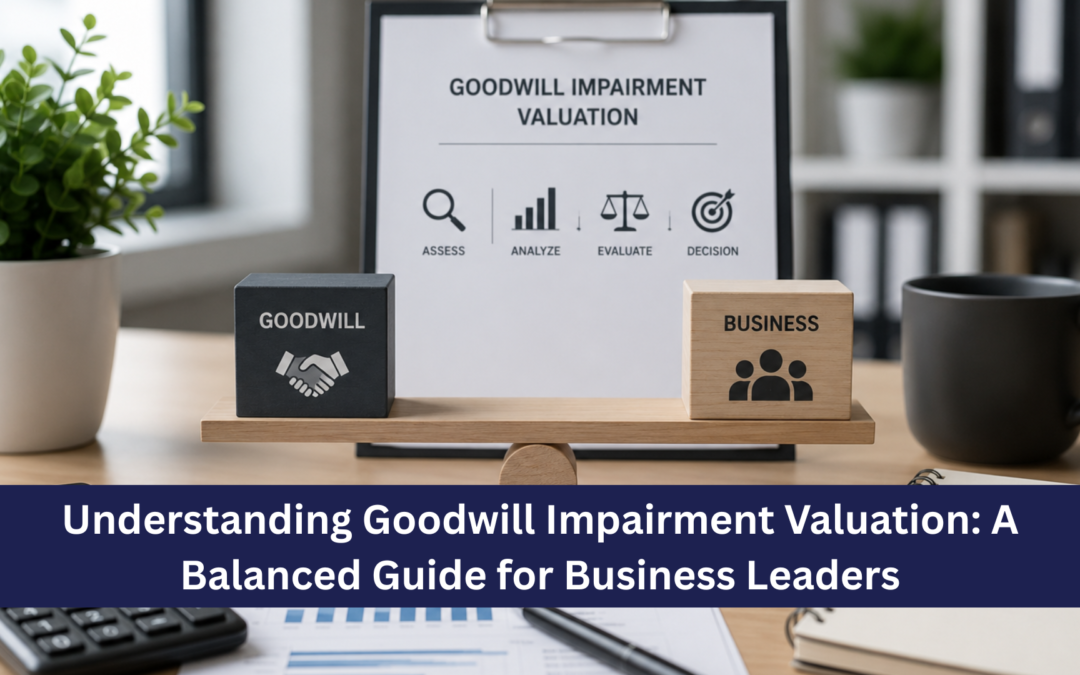
When one corporation acquires another, the transaction rarely covers just physical inventory and real estate. Goodwill Impairment Valuation More often than not, a business pays a premium that reflects a company’s reputation, brand presence, customer loyalty, and structural synergies. On a balance sheet, this premium is recorded under the intangible asset known as goodwill.
Because goodwill lacks a physical form and does not have a set expiration date, accounting frameworks require it to be monitored with care rather than slowly reduced over time. This ongoing review process is known as goodwill impairment valuation. For corporate leadership teams navigating these financial waters across Delhi NCR, keeping these intangible figures realistic is crucial for clear financial transparency. When companies need clear, reliable navigation through these complex assessments, the digital platform www.valuer.co.in serves as a vital direct resource, connecting enterprises with certified, registered appraisal professionals.
When Does Goodwill Require a Valuation Update?
Unlike standard physical assets that wear down predictably over a number of years, goodwill must be formally tested for deterioration at least once a year. However, life inside the business world rarely waits for an annual calendar date. Companies must actively look for sudden structural shifts or market indicators—frequently called triggering events—that suggest a subsidiary or business unit’s actual value has dropped below its listed book value.
Common events that prompt an immediate check include:
- A severe downturn in the regional or global macroeconomic landscape.
- A sustained drop in regular cash flows or missing long-term operational targets.
- Regulatory or legal updates that permanently impact profit margins.
- The overall market capitalization of a parent company dropping below its total book value.
The Strategic Steps of the Process Goodwill Impairment Valuation
Financial reporting frameworks structure this review into two distinct phases to help companies avoid unnecessary analytical costs:
1. The Qualitative Check (Step Zero)
Before diving into heavy financial modeling, a business can conduct an initial qualitative review. This step evaluates current industry conditions, overall economic health, and operational performance to see if it is highly probable that the unit’s value has fallen. If everything looks solid and stable, the corporate team can safely bypass formal math for that period. If red flags appear, they must transition to the next step.
2. The Quantitative Calculation Goodwill Impairment Valuation
When a formal calculation becomes necessary, the company’s internal teams must calculate the current fair value of the business segment and weigh it directly against what is currently written on the balance sheet. The reduction is calculated with a clear, direct logic:
$$\text{Impairment Loss} = \text{Carrying Value of the Reporting Unit} – \text{Fair Value of the Reporting Unit}$$
It is important to remember that any calculated write-down is capped at the total amount of goodwill allocated to that specific unit. Once that value is adjusted downward, accounting regulations make the decision permanent; the asset cannot be written back up in future years, even if the business completely recovers.
Core Methodologies for Finding Intangible Value Goodwill Impairment Valuation
To establish an accurate and legally defensible baseline of a business unit’s current worth, independent experts rely on a few trusted analytical approaches:
- The Income Approach (Discounted Cash Flow Method): This is the most common path taken for active businesses. It maps out future cash flow projections over a multi-year horizon and discounts them to present value using a customized risk rate. It requires an objective review of future growth assumptions and past performance.
- The Market Approach: This method compares the specific business unit to similar publicly traded companies or recent mergers and acquisitions within the same industry sector. By looking at market-validated transaction multiples, it ensures internal projections stay grounded in real-world pricing realities.
Bringing Clarity to Corporate Assets via www.valuer.co.in
While corporate accounting focuses heavily on intangible goodwill calculations, many business restructurings, mergers, and financial audits across Delhi NCR involve a complex mix of both intangible assets and substantial physical property portfolios. Testing the collective value of an acquired enterprise often means looking at the brick-and-mortar factories, corporate headquarters, and commercial complexes that anchor those cash flows.
This is where the specialized platform at www.valuer.co.in becomes an indispensable asset for corporate planning. The complete website details available at www.valuer.co.in outline a seamless path for matching businesses with independent, government-registered evaluators who possess deep regional expertise.
For comprehensive corporate restructurings, consulting an Experienced Valuer or an Expert Valuer through www.valuer.co.in ensures your entire asset framework remains fully compliant with statutory rules. Furthermore, when your corporate assets include specialized production plants or complex infrastructure, engaging a Valuer with Building Engineering credentials via the platform provides a critical layer of technical oversight—ensuring that real-world structural lifespans, physical wear, and construction compliance are perfectly integrated into your broader financial reports.
Final Thoughts Goodwill Impairment Valuation
Maintaining balance sheets that accurately reflect current economic realities is a fundamental pillar of solid corporate governance. By treating goodwill impairment valuation as a clear tool for financial health rather than a mere compliance chore, business leaders can steer their organizations forward with data-backed confidence.
When your organization requires an official, independent appraisal of its property or corporate assets, skip the guesswork. Explore the comprehensive expert networks at the official website www.valuer.co.in today, and anchor your next major strategic move in verified data and complete peace of mind